Solo Exhibition | Level 2 Fine Art & Illustration | Coventry University
The Recall was a first solo exhibition featuring twelve paintings exploring childhood memory, place, and recollection. Drawing upon personal experiences and fragments of early life, the works examine how memories evolve over time becoming layered, distorted, and emotionally charged through remembrance.
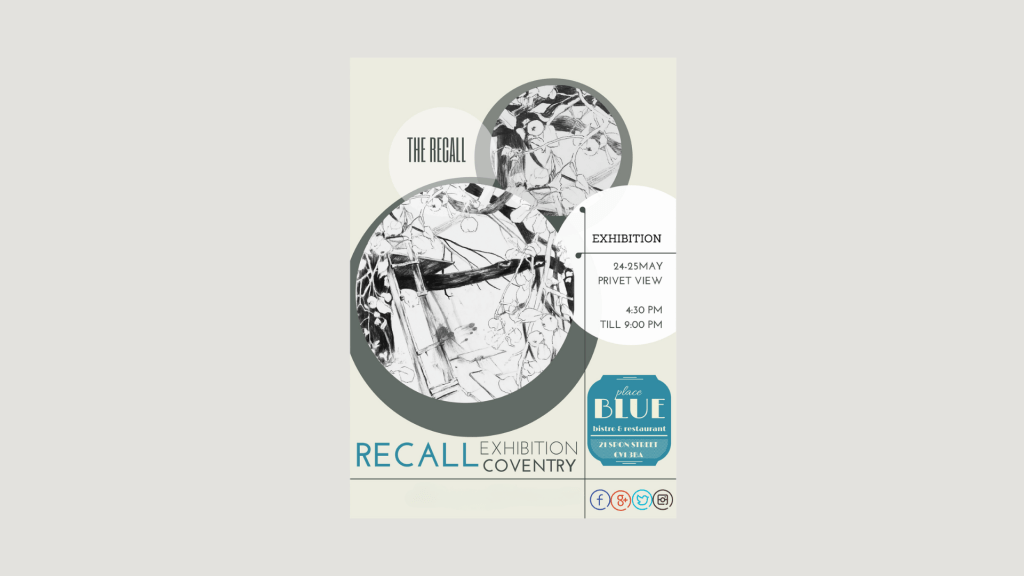
The earliest memories we carry often remain among our most treasured, not because they are the clearest, but because they have accompanied us the longest. Through landscapes, rural imagery, and symbolic forms, this exhibition invited viewers to reflect upon their own childhood experiences and engage with memories that may have been forgotten, suppressed, or transformed by time.
The works explored the relationship between memory and identity, considering how places, objects, and fleeting moments continue to shape our understanding of ourselves long after they have passed.
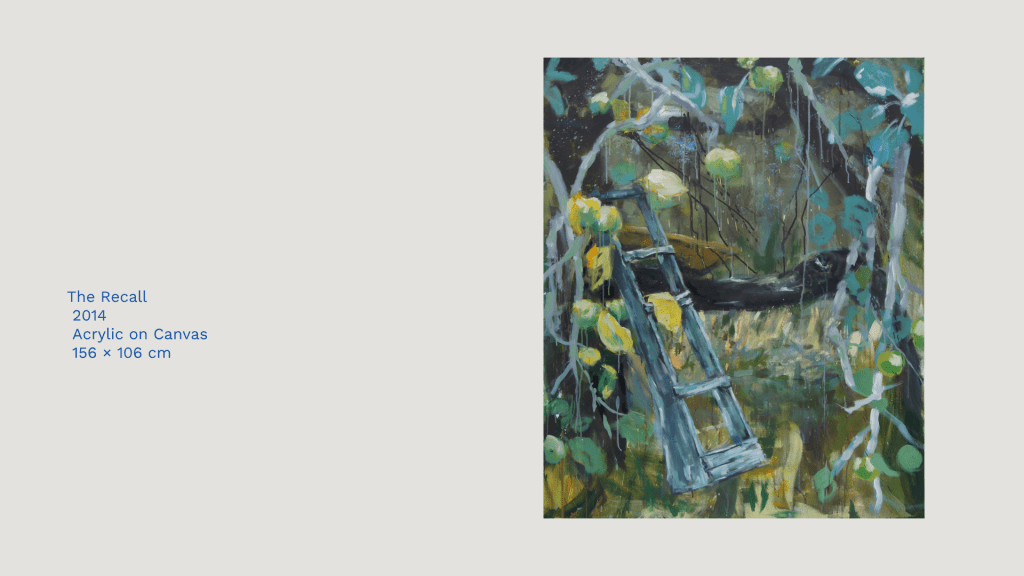
Looking at the work itself, I would also consider mentioning the rural Polish influences (orchards, ladders, tractors, branches, countryside scenes), because they give the exhibition a stronger identity than simply saying “childhood memories.” The paintings feel rooted in a specific place and personal history, which is one of the strengths of the series.
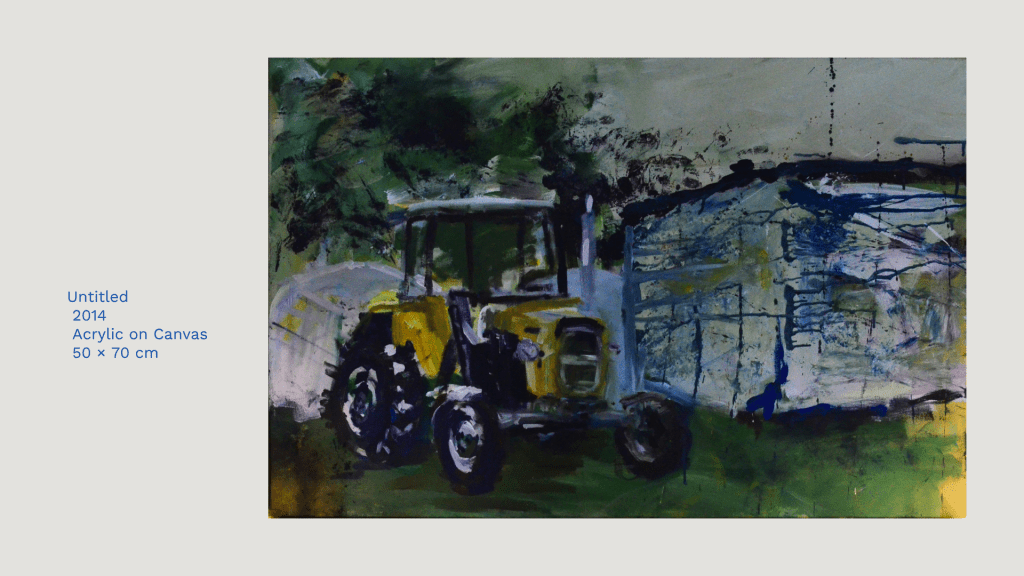
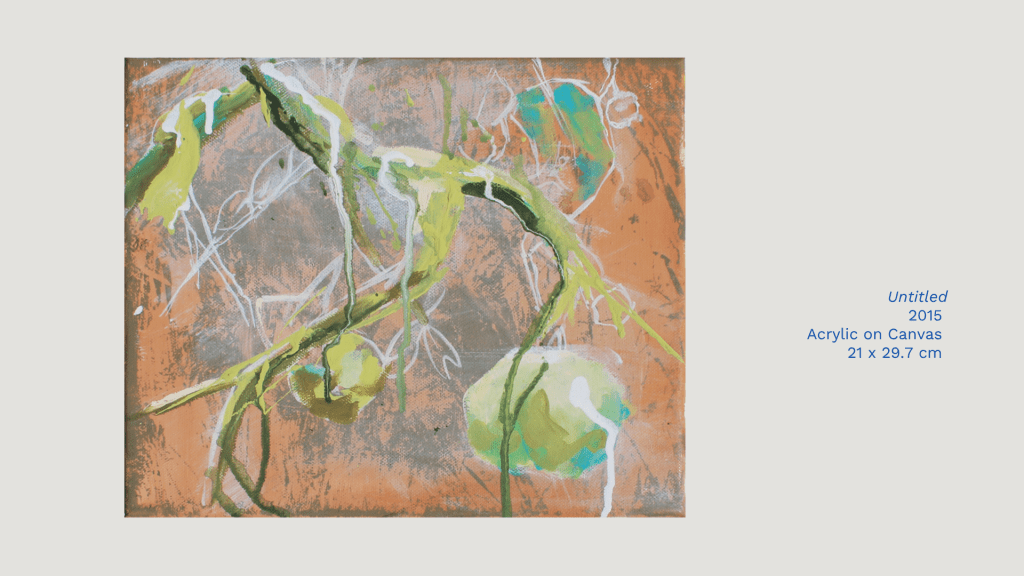
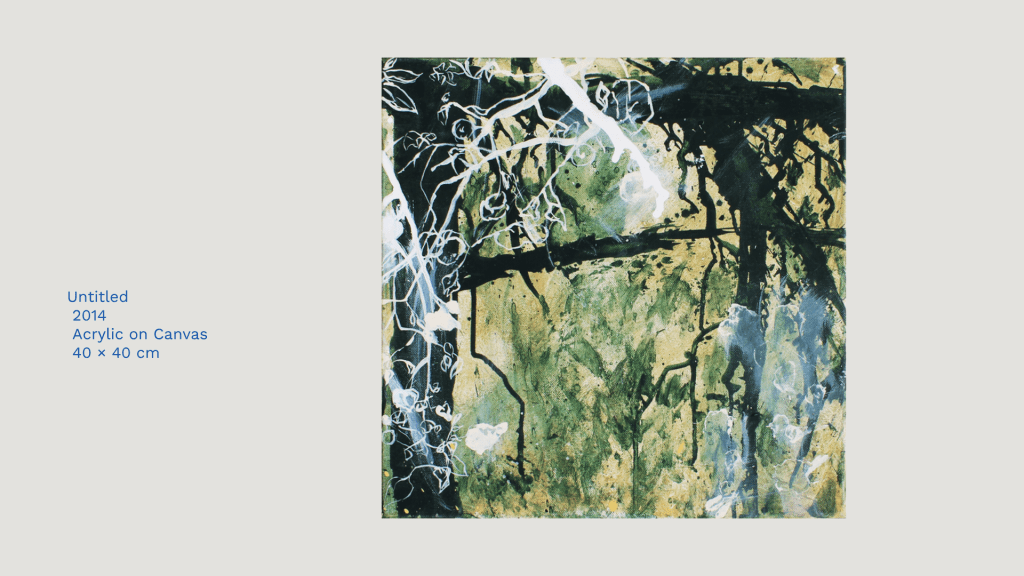
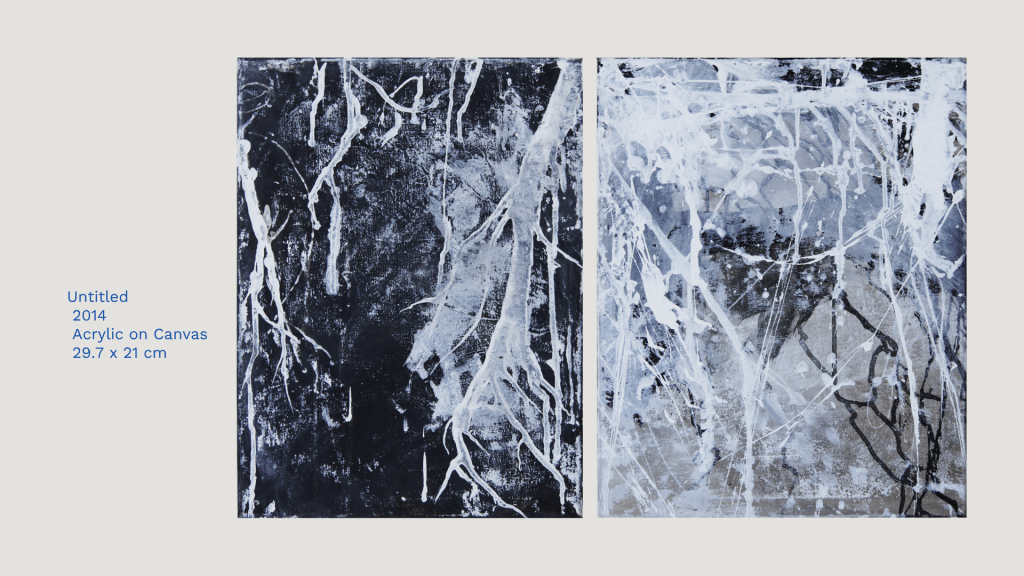
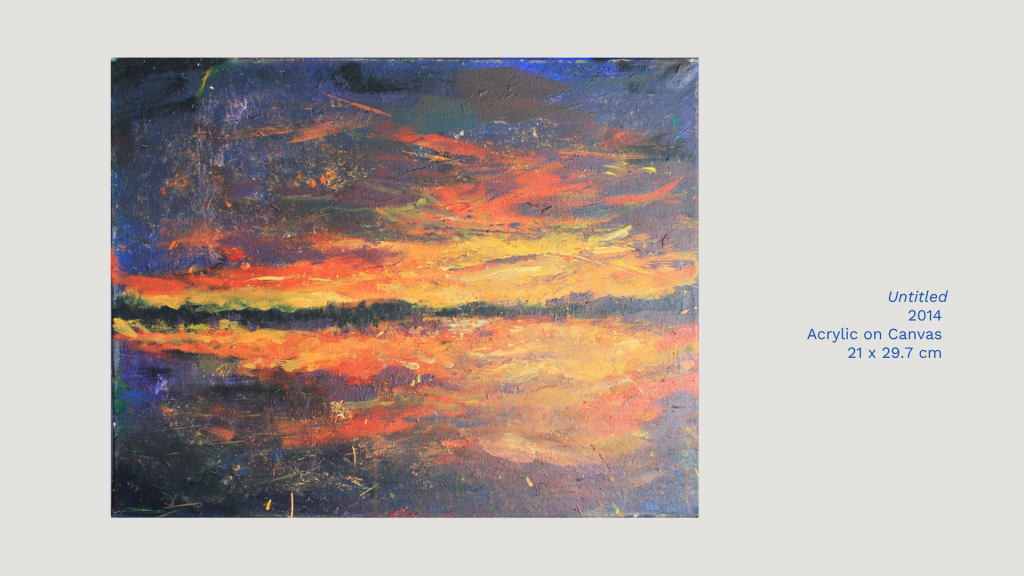
Looking at the collection as a whole, what stands out is not simply the theme of memory, but the way memory is visualised.
The works move between representation and abstraction, as though recollections are appearing and disappearing before the viewer. Familiar rural forms: orchards, branches, ladders, fences, farm machinery, and landscapes – emerge from expressive layers of paint, only to dissolve again into gestural marks, drips, and fragmented surfaces.
The paintings do not seek to document the past accurately; rather, they attempt to capture the experience of remembering itself.
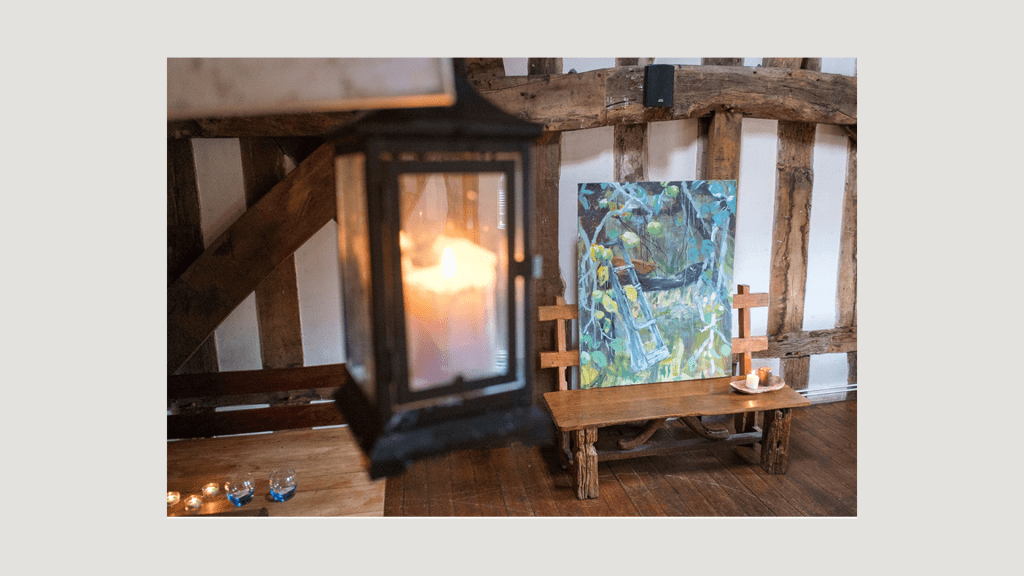
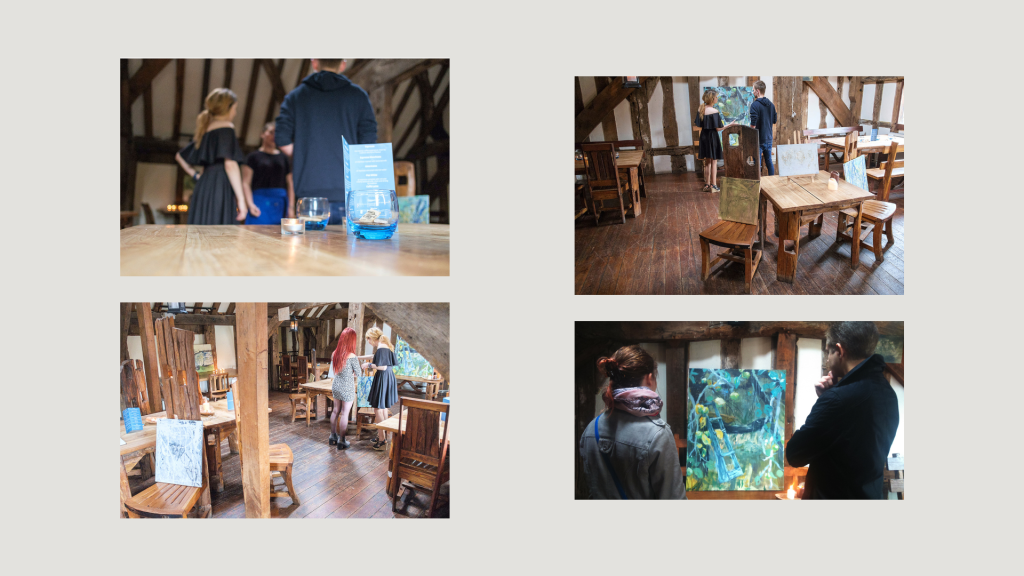
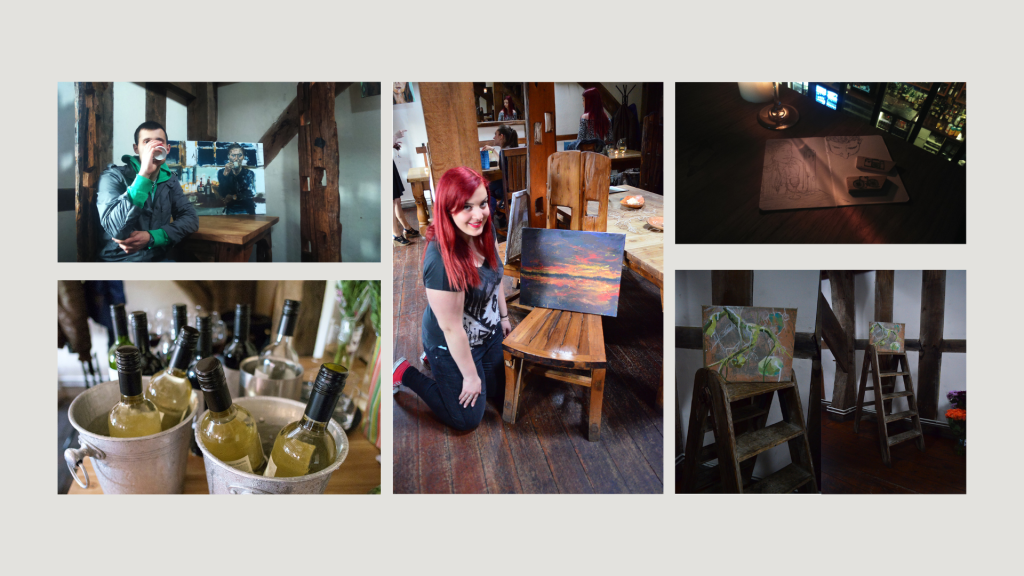
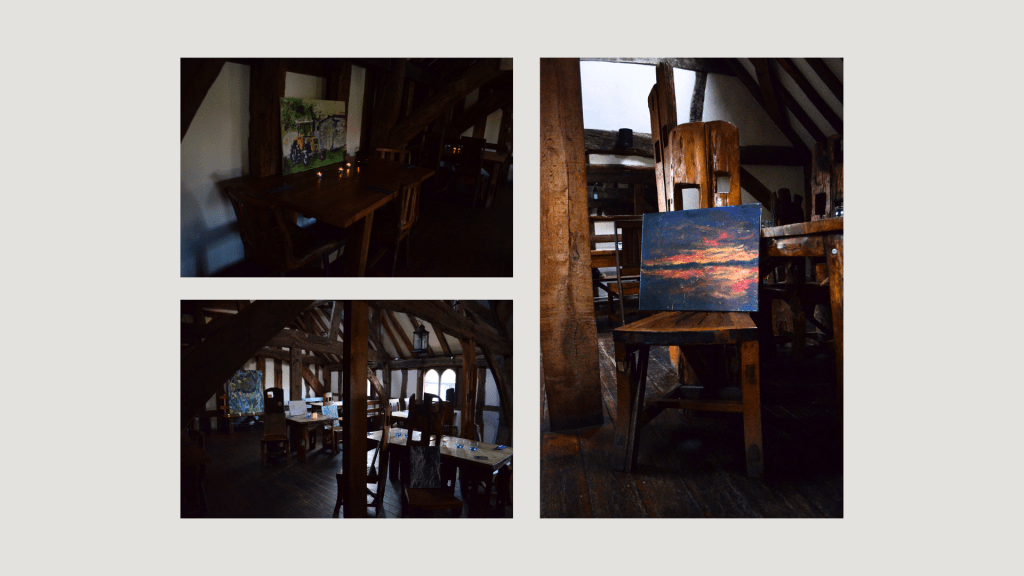
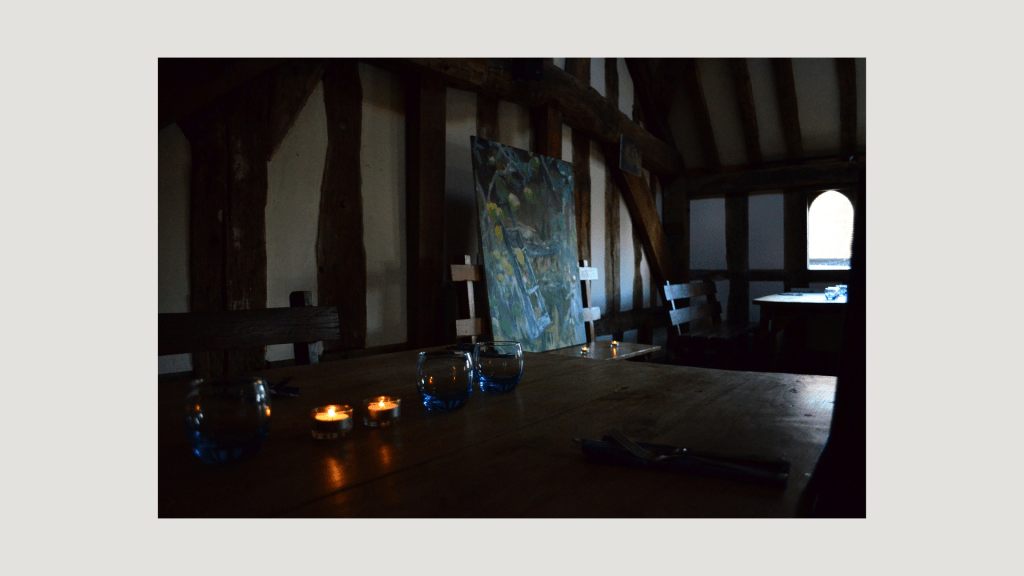
The Recall explores memory as an unstable and evolving construct. Drawing upon childhood experiences and rural landscapes, the paintings examine the tension between recollection and reality. Through layered surfaces, expressive mark-making, and recurring motifs of nature and agricultural environments, the works investigate how memories become fragmented, distorted, and emotionally charged over time. Situated between figuration and abstraction, the collection seeks not to recreate specific moments but to visualise the process of remembering itself, inviting viewers to engage with their own experiences of place, loss, and personal history.


Leave a comment